
For many UK SMEs, HR has traditionally been managed through spreadsheets, emails and manual tracking. While this approach may work in the early stages, it becomes increasingly difficult to manage as the business grows.
With evolving compliance expectations in 2026 and increasing operational complexity, relying on fragmented systems can create risks around accuracy, data handling and employee management.
This is where transitioning to a more structured, system-driven approach becomes essential. Offshore Virtual HR support allows SMEs to move from reactive administration to a more organised and reliable way of managing people and processes.
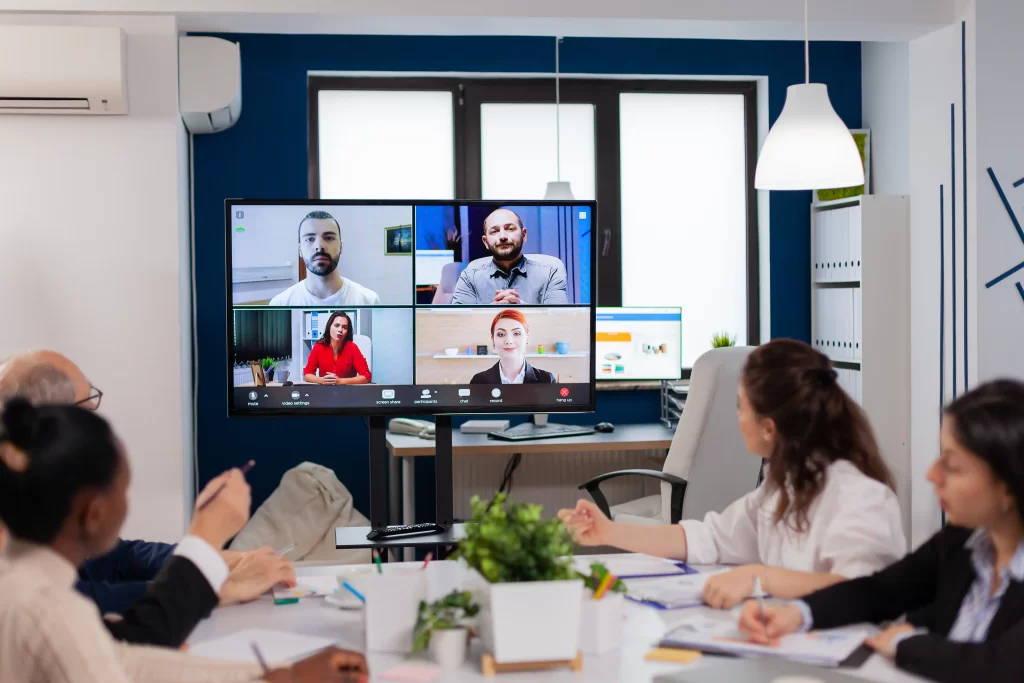
Why Spreadsheet-Based HR Is No Longer Sustainable
Spreadsheets are easy to start with, but they are not built for long-term HR management.
As teams expand, businesses often face:
- Inconsistent employee data across multiple files
- Manual errors in payroll preparation
- Difficulty tracking leave, attendance and documentation
- Lack of visibility across HR activities
These challenges are not just operational issues. They can also lead to compliance gaps, especially when managing employee records and payroll-related information.
A system-based approach helps reduce these risks by bringing structure and consistency into everyday HR tasks.
What Virtual HR Means for SMEs
Virtual HR does not mean replacing your internal team. It means supporting your existing operations with dedicated professionals who manage HR processes remotely using structured systems and tools.
Instead of handling everything manually, SMEs can rely on remote HR administrators to:
- Maintain accurate employee records
- Support payroll preparation processes
- Track documentation and compliance requirements
- Organise HR workflows using cloud-based systems
This creates a more streamlined way of managing HR without adding pressure on internal teams.
Moving from Manual Processes to Structured Systems
The transition from spreadsheets to systems does not need to be complex. It starts with understanding where inefficiencies exist and gradually replacing them with structured workflows.
Step 1: Centralising Employee Data
Instead of storing information across multiple spreadsheets, data is organised within a single system. This ensures consistency and makes it easier to access and update records.
Step 2: Standardising HR Workflows
Tasks such as onboarding, payroll preparation and document management follow a defined process. This reduces errors and ensures nothing is missed.
Step 3: Introducing Cloud-Based Tools
Using cloud platforms allows teams to access information securely from anywhere while maintaining proper control over data.
Step 4: Delegating Operational Tasks
Routine HR activities can be handled by remote professionals, allowing internal teams to focus on higher-level decision-making.
How Remote HR Staff Support Daily Operations
Remote HR professionals integrate into your existing workflow and handle day-to-day administrative tasks with consistency.
Payroll Preparation Support
They organise employee data, track changes and prepare payroll inputs to ensure accuracy before processing.
Employee Data Management
Maintaining up-to-date records is essential for compliance. Remote teams ensure that all employee information is accurate and properly documented.
Compliance Tracking
Keeping track of documentation, contracts and updates becomes easier when managed through structured systems rather than manual tracking.
Leave and Attendance Management
Tracking employee availability through systems ensures better visibility and reduces dependency on manual updates.
By handling these tasks, remote HR support creates a more reliable and organised operational environment.
Reducing Risk Through Better HR Management
One of the biggest advantages of moving to system-based HR is risk reduction.
Manual processes often lead to:
- Missing documentation
- Inaccurate records
- Delays in updates
With structured systems and dedicated support, businesses gain better control over their HR operations.
This is especially important as compliance expectations continue to evolve. Having clear processes in place ensures that businesses are prepared rather than reactive.
Improving Efficiency Without Increasing Overhead
Hiring additional in-house HR staff is not always practical for SMEs. It increases fixed costs and requires additional management.
Virtual HR support offers a more flexible approach.
Businesses can:
- Scale support based on workload
- Maintain consistency in processes
- Avoid operational bottlenecks
This allows SMEs to grow without overcomplicating their internal structure.
Creating a More Organised Back Office
A well-managed HR function supports the entire business.
When processes are structured:
- Teams operate more efficiently
- Communication becomes clearer
- Decision-making improves
Moving away from spreadsheets is not just about tools. It is about creating a more organised and dependable way of working.
For businesses already exploring transitioning to remote HR support, adopting a system-driven approach is often the next logical step.
How 4S Business Support Helps SMEs Transition
At 4S Business Support, we work with UK SMEs to simplify HR operations through dedicated remote professionals.
Our HR administrators are experienced in managing structured workflows and supporting businesses using cloud-based systems.
They integrate into your operations and assist with:
- Payroll preparation support
- Employee data management
- Documentation and compliance tracking
- Day-to-day HR administration
This ensures that your HR processes remain consistent, organised and aligned with your business needs.
Building a Future-Ready HR Function
As SMEs continue to grow, the need for structured systems becomes more important.
Relying on spreadsheets may work temporarily, but it often creates limitations as operations expand.
Transitioning to offshore virtual HR support allows businesses to build a more reliable and scalable HR function without unnecessary complexity.
Conclusion
Moving from spreadsheets to structured systems is a practical step for SMEs looking to improve efficiency and reduce operational risk.
By introducing virtual HR support, businesses can bring consistency into their processes, improve data management and ensure smoother day-to-day operations.
The goal is not to replace what already works, but to enhance it with better systems and dedicated support.